
20.09.2026 · Admin
Die Cut Versus Printed Graphics for Equipment
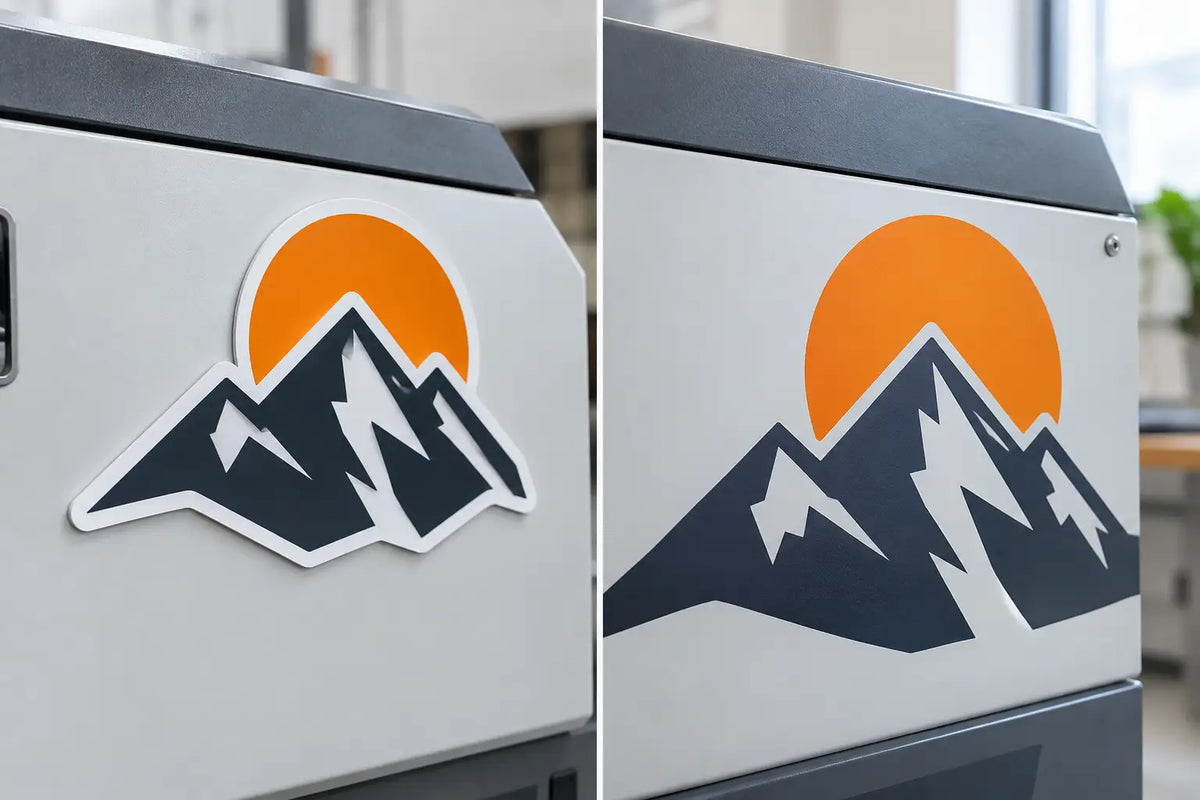
A faded tractor hood or scratched loader panel can make sound equipment look neglected. When ordering replacements, the choice often comes down to die cut versus printed graphics. Both can provide a clean, professional result, but they are built differently and serve different jobs on agricultural, construction, lawn-care, and restoration equipment.
The right choice depends on the original marking, the amount of detail required, the surface it will be applied to, and how closely you want to match the machine’s factory appearance. A simple model number may call for one approach, while a multicolor safety label or detailed custom logo calls for another.
Die Cut Versus Printed Graphics: The Core Difference
Die-cut graphics are cut directly from colored vinyl. Each letter, number, stripe, or shape is cut from solid-color material, then excess vinyl is removed. The result is a clean graphic with no printed background around the design.
Printed graphics begin as a digital design printed onto vinyl. They can include multiple colors, shading, photographs, fine lines, gradients, and small details that would be difficult or impossible to produce from separate pieces of colored vinyl. After printing, the decal is often contour cut to the shape of the design.
Both options can be high-quality, durable equipment decals when they are produced with professional-grade vinyl and proper outdoor protection. The visual effect and practical strengths are where the decision matters.
When Die-Cut Vinyl Is the Better Fit
Die-cut vinyl works especially well for bold, straightforward markings. Think model numbers, equipment names, safety wording, simple logos, stripes, and single-color warning labels. Because the color is built into the vinyl rather than printed on its surface, solid colors stay crisp and opaque.
This style is a strong choice when restoring older machinery with clean, uncomplicated factory lettering. A white model designation on a green tractor hood, black numbers on a yellow mower deck, or a simple brand name on an excavator side panel can look exceptionally sharp in die-cut vinyl.
Die-cut decals also have a painted-on appearance once installed. There is no rectangular clear or white field surrounding the letters because only the intended shapes remain on the equipment. On a clean painted surface, that can create the closest visual match to original cut-vinyl markings.
There are limits. A die-cut design with several colors requires separate vinyl pieces or layered production. Very small text, detailed illustrations, weathered textures, and color transitions are not practical candidates. If an original decal contains several shades, fine outlines, or complex artwork, printed vinyl is usually the more accurate option.
When Printed Graphics Make More Sense
Printed graphics are the practical answer for detailed equipment decals. They can reproduce multicolor logos, gradients, photographic elements, intricate safety symbols, serial information layouts, and artwork with fine registration requirements.
For example, a modern skid steer decal may include colored branding, small model details, and complex warning icons in one compact panel. Printing allows those elements to remain aligned and readable without assembling multiple layers of cut vinyl. It is also the preferred method for custom business graphics, fleet identification, and RC model liveries that need detailed branding in a limited space.
Printed decals can be contour cut around the outer edge, so they do not always have to look like a basic rectangle. However, unlike individual die-cut letters, the full printed design remains on a single vinyl piece. That is usually not a concern when the original decal was produced as a panel, label, or badge.
The key is material quality. Equipment spends time in sun, rain, dust, washdown areas, and temperature swings. A printed decal should be made with durable outdoor vinyl and protected for the job it will perform. For replacement graphics exposed to regular outdoor use, the print system and protective finish matter just as much as the artwork.
Choose by the Original Decal and the Working Environment
The most reliable way to choose is to study what was originally on the machine. If the factory marking was simple lettering or a solid-color stripe with no visible background, die-cut vinyl is often the natural replacement. If it was a detailed label, multicolor emblem, or information panel, printed graphics are likely required to preserve the original look.
Surface location matters too. Hood sides, cab doors, mower decks, fenders, and body panels are common locations for both types. Smooth, properly prepared painted surfaces give either option the best bond. Curves, rivets, textured plastic, rough powder coating, and areas exposed to constant abrasion require more careful material selection and installation.
For working equipment, appearance is only part of the decision. Clear model identification can help maintain a professional fleet image. Safety markings need to remain legible. Accurate replacement graphics can also improve resale presentation by showing that a tractor, loader, or mower has been maintained rather than simply patched together.
Color Match, Detail, and Authentic Restoration
Restoration projects often require a balance between factory accuracy and practical availability. A collector restoring a vintage lawn tractor may prioritize the exact look of original hood lettering. A contractor refreshing a work loader may be more concerned with durable identification and a clean finish that holds up through the season.
Die-cut vinyl is excellent for strong factory colors and classic lettering. Printed graphics offer more flexibility when the original decal includes artwork that cannot be recreated with solid vinyl alone. Neither method is automatically better. The better method is the one that reproduces the original marking correctly and fits the equipment’s actual use.
For discontinued OEM decals, clear photographs and accurate measurements are valuable. Include the overall decal size, the location on the machine, and close-up images showing colors, borders, and small text. This gives a decal specialist the information needed to determine whether a design should be die cut, printed, or produced using a combination of both.
Durability Is More Than the Decal Type
A die-cut decal can fail early if installed on wax, oil, rust, or poorly cured paint. A printed decal can fade prematurely if it is made from low-grade material not intended for outdoor equipment. Long-term performance starts with the correct vinyl, but proper preparation and installation finish the job.
Before applying replacement graphics, remove old adhesive and residue, clean the panel thoroughly, and let it dry completely. Avoid applying decals in extreme cold, on wet surfaces, or over loose paint. Once installed, give the adhesive time to set before heavy washing or exposing the machine to demanding work conditions.
At QuébecDecalStore, durable replacement kits are designed for the environments where tractors, mowers, loaders, and machinery actually work. Professional-grade vinyl and a five-year vinyl warranty provide confidence when your equipment needs more than a short-term cosmetic fix.
Custom Graphics Need a Clear Purpose
Custom work is where printed graphics can offer the most flexibility. A landscaping business may need matching company identification across several mower trailers and machines. A farm may want unit numbers or custom markings that make equipment easier to identify. An RC builder may need a detailed scale livery that matches a full-size machine.
Still, simple custom lettering does not always need printing. Bold unit numbers or a straightforward company name may look cleaner as die-cut vinyl, especially when the goal is a sharp, no-background finish. Detailed logos, multiple colors, and small contact information are better suited to printing.
A good custom decal plan starts with the job the graphic must do. If it needs to be read from a distance, prioritize contrast and simple shapes. If it needs to replicate a detailed original logo, prioritize accurate printing and sizing. If it will live near boots, brush, loading points, or frequent washdown, plan for that exposure from the start.
A Professional Finish Starts With the Right Method
Choosing between die cut and printed graphics is not about selecting a premium option over a basic one. Both have a place on quality equipment. Die-cut vinyl delivers clean, solid-color markings with a factory-style appearance, while printed vinyl handles the detailed artwork and multicolor layouts modern equipment often requires.
Look closely at the original decal, choose materials intended for outdoor service, and match the graphic method to the work your machine performs. The right replacement decal should make the equipment look ready for work, not merely covered up.