
20.10.2026 · Admin
Custom Decal Review for Hard-Working Equipment
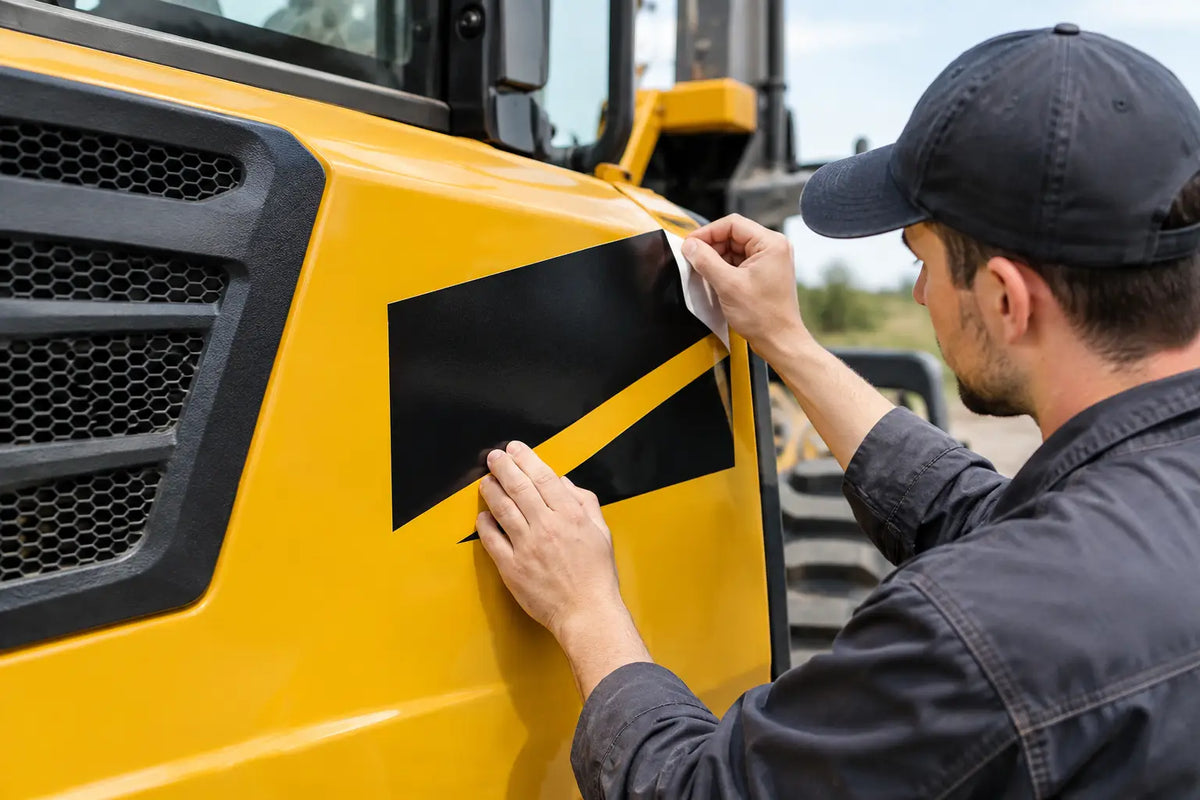
A faded hood stripe or missing safety label can make a well-maintained machine look neglected fast. This custom decal review focuses on what equipment owners should expect from made-to-order graphics: dependable vinyl, accurate sizing, clean printing, and adhesion that holds up through work, weather, washing, and storage.
For a tractor restoration, a branded mower fleet, an excavator with worn identification graphics, or a one-off RC build, a custom decal is not just decoration. It affects how professional the equipment looks, how easily it is identified, and, in many cases, how complete it feels when the job is finished. The right decal set can bring an older machine back into shape. The wrong one can peel at the first pressure wash or look out of place before the season is over.
What a Custom Decal Review Should Actually Measure
A useful review should go beyond whether a decal looked good when it came out of the package. Fresh vinyl almost always looks good on a clean bench. The real question is whether it fits the machine, installs without a fight, and keeps its color and edges once the equipment goes back to work.
For heavy equipment and agricultural machinery, start with material quality. Thin bargain vinyl may be acceptable for a temporary display, but it is rarely the right choice for a tractor hood, loader arm, mower deck, or machine panel exposed to sun, rain, fuel residue, dust, and repeated cleaning. Professional-grade vinyl is designed to conform to painted metal and durable plastic surfaces while resisting the fading and shrinking that make low-cost decals look worn early.
Print quality matters just as much. Lettering should be sharp, colors should be consistent, and fine lines should remain readable rather than filling in or breaking apart. This is especially important for model names, warning markings, serial-style graphics, company branding, and small details on scale equipment. A close match to the original design creates a restoration that looks intentional rather than patched together.
Fitment is the next test. A quality decal needs the correct proportions for the available panel, curve, or recess. A graphic that is only slightly too large can wrap over an edge. One that is too small can leave obvious ghosting where the original decal sat. For model-specific equipment, accurate sizing is often more valuable than a generic design that merely has the right logo or color.
The Difference Between Custom and Generic Graphics
Generic vinyl decals serve a purpose. They can be quick, inexpensive, and useful when exact appearance is not a priority. A basic equipment number, simple caution label, or temporary company identifier may not require a fully customized order.
But generic graphics often leave the owner to solve the hardest parts: choosing dimensions, matching colors, estimating placement, and deciding whether the vinyl will survive the intended environment. That can be acceptable for a toolbox or garage sign. It becomes less appealing when restoring a recognizable tractor model or preparing equipment for resale.
Custom decals allow the graphics to be built around the actual machine and the intended use. That may mean recreating faded original markings, adding a business name to a service fleet, resizing a decal for a modified hood, or producing graphics for an older model with discontinued OEM decals. The trade-off is that custom work requires better information upfront. Clear measurements, straight-on reference photos, model details, and spelling approval reduce surprises and produce a cleaner final result.
A custom order is also the better choice when the decal must work with an existing color scheme. Bright yellow, industrial orange, deep green, and older paint shades can vary more than owners expect. A digital proof or clear design confirmation helps make sure the finished graphic belongs on the machine instead of competing with it.
Material Performance Is Where Value Shows Up
A decal does not need to survive a decade to be worthwhile, but it should match the demands of the equipment. A lawn tractor stored under cover faces a different environment than a skid steer parked outside year-round. A show tractor may need an exact visual match, while a contractor’s loader needs graphics that remain legible through daily use.
Look for vinyl intended for outdoor service, with a strong adhesive and printed colors designed to resist UV exposure. Laminated graphics can add useful protection against abrasion, moisture, and frequent cleaning. The right construction helps decals stay flat at the edges, retain their color, and remain easier to read after long periods outdoors.
Warranty coverage is another practical signal. It does not eliminate the need for proper preparation or installation, but it shows that the supplier stands behind the material. QuébecDecalStore provides a six-year vinyl warranty, which gives equipment owners added confidence when selecting replacement or custom graphics for outdoor machinery.
Still, no decal can overcome a poor surface. Vinyl adheres best to clean, sound paint or smooth plastic. It will not permanently fix rust, peeling paint, deep oxidation, or a surface soaked with oil and silicone products. If the panel needs bodywork or repainting, complete that work before applying the new graphics.
Installation Can Make or Break the Result
Even premium decals can fail early if they are installed over dust, wax, or moisture. Before application, wash the area thoroughly and remove any remaining adhesive from the old decal. Finish with a suitable surface cleaner that leaves no residue. The surface should be dry, smooth, and at a reasonable temperature - not cold enough to stiffen the vinyl and not hot enough to make positioning difficult.
Take time to establish placement before removing the backing. Use masking tape as a temporary hinge or alignment guide, especially for long stripes, large side-panel graphics, and multi-piece logo sets. Step back and check the position from normal viewing distance. A decal may look level against a body line yet appear crooked when viewed with the whole machine.
Apply firm, even pressure from the center outward. This pushes air toward the edges and reduces bubbles. Do not rush around raised rivets, body contours, or sharp bends. These areas require patience because the vinyl needs to conform without being overstretched. If a graphic has transfer tape, remove it slowly at a low angle after the decal is fully pressed down.
Avoid immediate pressure washing, aggressive scrubbing, or heavy exposure to rain if possible. Fresh adhesive needs time to settle. The exact wait period depends on conditions and material, but giving the decal a protected start is one of the simplest ways to improve long-term adhesion.
Questions to Ask Before Ordering
Before approving a custom decal, confirm the machine model, intended placement, and whether the graphics are meant to match original equipment markings or create a new look. If accuracy matters, provide photos that show the entire panel as well as close-ups of the original decal. Include a ruler or known measurement in at least one image when sizing is uncertain.
Ask how the decal will be supplied. Pre-cut individual graphics are convenient for detailed restorations, while a larger printed sheet may suit certain custom projects. Also confirm whether the design includes only the visible logo or the full set of stripes, labels, and supporting text needed to complete the area.
For business equipment, think beyond the first machine. A repeatable design with consistent colors, phone numbers, unit identifiers, or safety markings makes a small fleet look more organized. Ordering a few extras can also be smart for high-contact areas such as mower decks, trailer panels, bucket arms, and toolboxes.
When Custom Decals Are Worth the Investment
Custom graphics are usually worth it when appearance, correct fit, or long-term durability matters. They are particularly valuable for restorations, equipment being prepared for sale, branded contractor fleets, discontinued model decals, and machines with unusual panel sizes. They can also be a practical choice when an owner wants a professional finish without trying to cut and print vinyl at home.
The best results come from treating decals as part of the restoration or maintenance process, not an afterthought. Prepare the surface, verify the design, choose material suited to the machine’s working conditions, and install with care. A properly selected custom decal can keep a hardworking machine looking identified, maintained, and ready for the next job.